
Pallet Specifications
Comprehensive guide to global pallet standards, materials, and best practices for secure freight loading.
Pallet Fleet
Detailed specifications across our standard wooden, plastic, metal, and specialized air cargo ULDs.
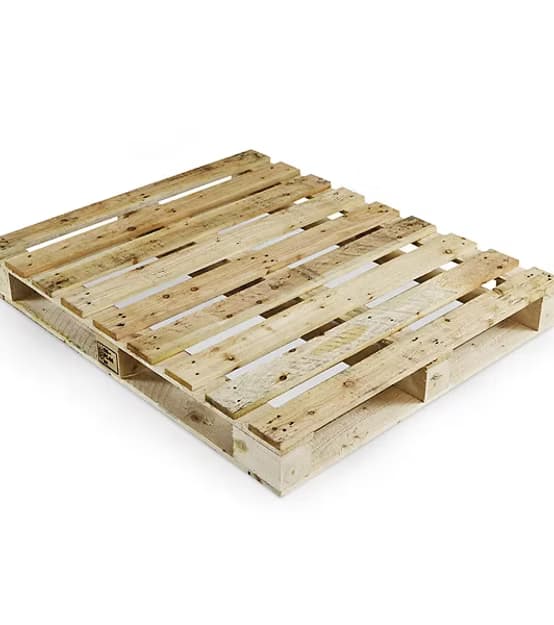
Wooden Pallets
Wooden pallets are widely used due to their strength, cost-effectiveness, and versatility. They are suitable for a wide range of cargo types.
Common Dimensions
Specifications
- Load CapacityTypically around 1,000 kg (2,204 lbs.), but this can vary based on pallet quality and design.
- WeightApprox 15-25 kg (33-55 lbs.), depending on the type of wood and construction.
- ApplicationsIdeal for heavy, bulky, or non-sensitive items in both air and sea freight.
Key Features
- Can be customized for specific sizes and requirements.
- Complies with international standards like ISPM 15 for export.
- Considerations: Wood pallets must be treated for international shipping (e.g., heat-treated or fumigated) to avoid pest contamination.
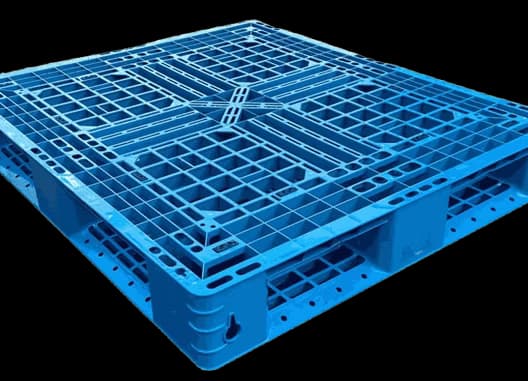
Plastic Pallets
Plastic pallets are lightweight, durable, and resistant to environmental factors like moisture, making them ideal for sensitive goods.
Common Dimensions
Specifications
- Load CapacityUp to 1,500 kg (3,307 lbs.) for standard plastic pallets, depending on design and type.
- WeightTypically between 7-15 kg (15-33 lbs).
- ApplicationsPerfect for pharmaceuticals, food, and other high-value or sensitive goods.
Key Features
- Moisture, rot, and chemical-resistant, ideal for wet or cold environments.
- Easy to clean, ensuring hygiene standards for food or medical shipments.
- Lightweight, reducing transport costs, especially in air freight.
- Considerations: Higher initial cost but offers long-term durability and low maintenance.
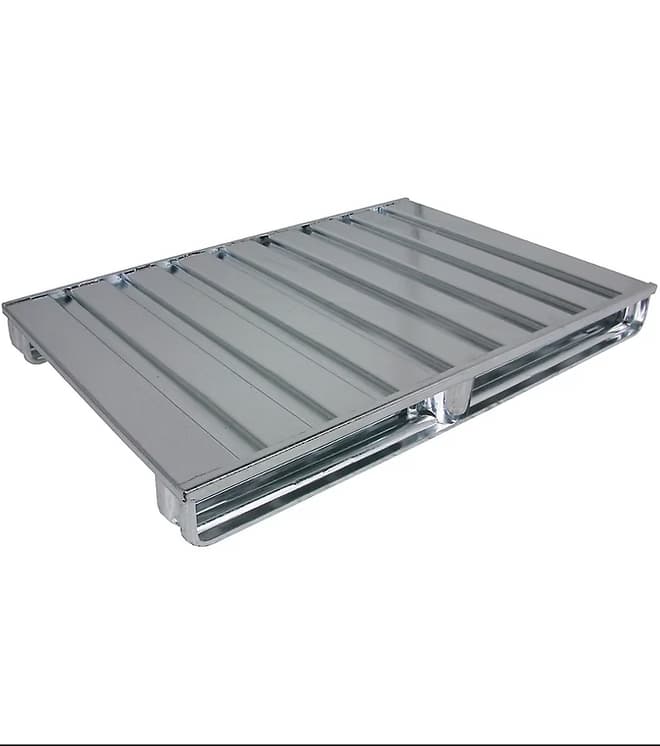
Metal Pallets
Metal pallets are made of steel or aluminum and are used for heavy-duty cargo. They offer exceptional durability and strength.
Common Dimensions
Specifications
- Load CapacityTypically between 2,000 kg (4,409 lbs) and 4,000 kg (8,818 lbs), depending on material and construction.
- WeightRanges from 20 kg (44 lbs) to 50 kg (110 lbs) depending on the material (steel or aluminum).
- ApplicationsIdeal for heavy machinery, industrial goods, and bulk shipments.
Key Features
- Extremely durable and long-lasting.
- Can handle higher weights and harsh conditions.
- Metal pallets are often stackable, saving space in warehouses and containers.
- Considerations: Higher weight may increase shipping costs, especially in air freight.
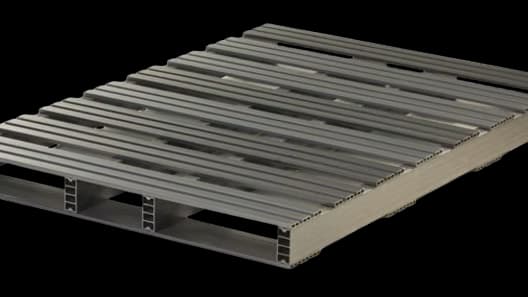
Composite Pallets
Composite pallets are made from a combination of materials, such as wood and plastic or wood and metal. They offer a balance between strength and lightweight properties.
Common Dimensions
Specifications
- Load CapacityTypically ranges from 1,000 kg (2,204 lbs) to 1,500 kg (3,307 lbs).
- WeightUsually between 10 kg (22 lbs) and 20 kg (44 lbs).
- ApplicationsSuitable for both air and sea cargo, especially for industries looking for the benefits of plastic and wood without the high cost of all-plastic options.
Key Features
- Lightweight yet strong enough for many general cargo applications.
- Environmentally friendly as many are made from recycled materials.
- Considerations: Cost may vary depending on the materials used, and some types may not be as durable as metal pallets for heavy loads.
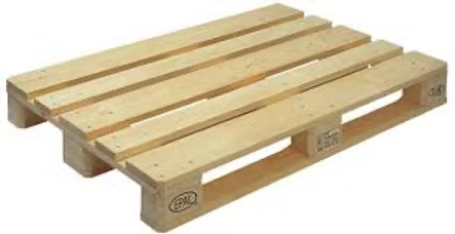
Euro Pallets (EPAL)
Euro Pallets, certified by EPAL, are a standardized form of wooden pallet that is used extensively in international trade, particularly within the EU.
Common Dimensions
Specifications
- Load CapacityTypically 1,500 kg (3,307 lbs).
- WeightAround 25 kg (55 lbs).
- ApplicationsCommonly used in both sea and air freight, especially within the EU for standardized cargo transport.
Key Features
- EPAL-certified for international trade.
- Strong and reliable, with a high level of standardization.
- Considerations: Requires regular maintenance due to wear and tear, especially for long-term use.
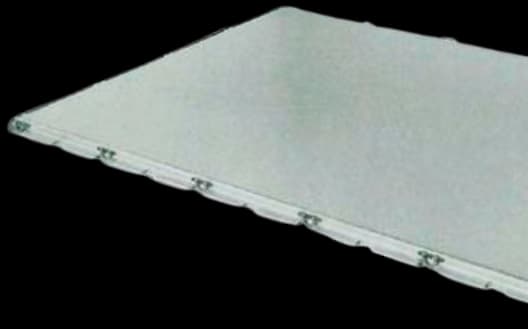
Air Cargo Pallets (ULD)
Air cargo pallets, also known as Unit Load Devices (ULDs), are specially designed for loading and unloading in air freight containers. They come in various shapes and sizes to fit the specifications of cargo planes.
Common Dimensions
Specifications
- Load CapacityTypically ranges from 1,000 kg (2,204 lbs) to 2,000 kg (4,409 lbs).
- WeightBetween 50 kg (110 lbs) and 100 kg (220 lbs) depending on size and construction material.
- ApplicationsExclusively used in air freight for efficient, space-saving loading.
Key Features
- Designed for specific aircraft cargo holds to ensure optimized space utilization.
- Durable and secure for high-speed air transport.
- Considerations: Specialized pallets can be expensive and are typically not reusable across different transport modes.
Pro Tips for Efficiently Loading Goods on Pallets
Optimize your warehouse operations and ensure safe transport with these essential loading techniques.
Maximize Stability
Ensure that there are no gaps between pallets to prevent shifting or unbalanced stacking. A tight fit enhances safety and stability during transport.
Know Your Load
Understanding the weight and height of your goods helps optimize space, ensuring safe stacking and reducing transport costs.
Crosswise Placement
For better transport efficiency, arrange pallets crosswise. This allows for smoother loading and unloading, saving time and reducing handling costs.
Forklift-Friendly
Arrange goods so they can be easily accessed by forklifts, making handling faster and more efficient, while preventing any risk of damage to your products.
Conclusion
Selecting the right pallet type and mastering proper loading techniques are key to enhancing warehouse operations. By optimizing these practices, you can streamline your logistics, minimize risk, and improve overall efficiency. For expert guidance tailored to your specific needs, our team is here to help.
Need Shipping Solutions?
Contact our dedicated logistics experts today to discuss your specific shipping requirements and receive a tailored, competitive quote.